Class details
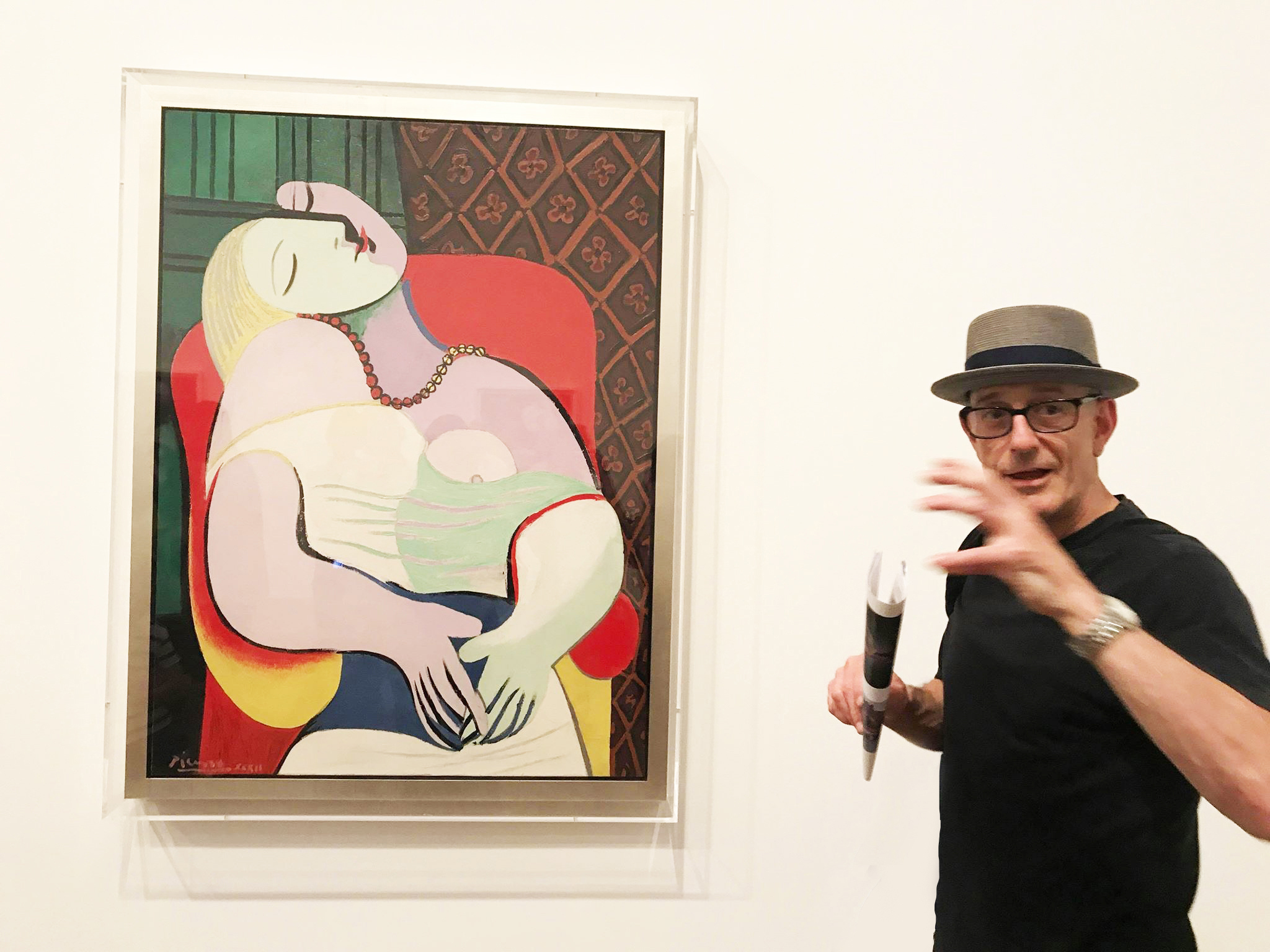
Join Nick Pearson on 24 August as he continues his art history lectures covering the Story of Western Art. This is your opportunity to learn enough about Western Art to knowledgeably wander round, recognise and understand the work of the world’s great art museums and modern collections.
Mondays
10am – 12pm
24 August – 28 September
Fee : £12 per session
Notes only : £5 per set
Topics we cover
24 August
Mannerism and the beginning of Baroque
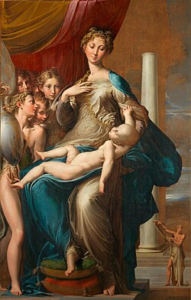
The short, but fascinating period between the High Renaissance and the 17th-century Baroque masters is often overlooked. Earlier historians maligned ‘Mannerism’, but artists such as Parmigianino (pictured), Bronzino, El Greco and others pushed Renaissance discoveries in bold new directions, creating works of great imagination and intensity. Their experiments with colour, composition and the figure paved the way for the dramatic realism of Caravaggio and the other great ‘Old Masters’. Join Nick this week for a journey through one of the most inventive chapters in European painting.
31 August
International Baroque
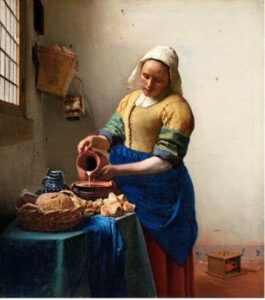
From the revolutionary paintings of Caravaggio in Rome, the Baroque spread across Europe, developing distinctive national styles while retaining its drama, realism and emotional power. We’ll follow it from Italy to Rubens’ vibrant masterpieces in Flanders, Velázquez’s penetrating portraits at the Spanish court, to the flourishing Dutch Republic, where Rembrandt, van Goyen, Vermeer (pictured) and others transformed portraiture, landscape and everyday life into some of art’s greatest achievements.
7 September
More Baroque, Rococo & 18th-century Art
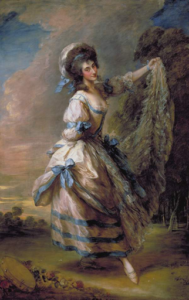
Throughout this lecture, from the exquisite flower painters of the Low Countries to the rather ‘foppish’ but often entertaining elegance of Rococo France, we’ll step inside magnificent Baroque churches and palaces, view Canaletto’s Venice and trace the rise of a distinctive British school through Hogarth, Reynolds and Gainsborough (pictured). Together these artists reveal a period of great creativity, in which grandeur gave way to grace, observation and wit, laying the foundations for the art of the modern age.
14 September
Neo-Classicism to Romanticism
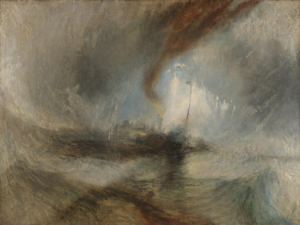
Can art be guided by reason, or driven by imagination and emotion? Here we explore one of the great turning points in European art. Inspired by the High Renaissance and a mix of Enlightenment and classical teaching, Neoclassical artists sought clarity, balance and heroic ideals. Yet within a generation, these values were challenged by the passion and drama of Romanticism. Through the revolutionary work of Delacroix in France and the landscapes and turbulent seas of Constable and Turner (pictured) in Britain, we’ll discover how artists turned from order to emotion, history to nature (while taking note of what was happening around them) and timeless ideals to individual experience – paving the way for artistic revolution.
21 September
Realism & the Pre-Raphaelites
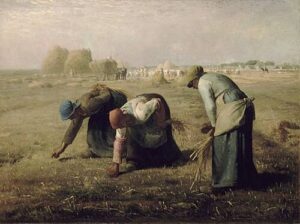
We shall explore two contrasting movements that transformed European art in the changing modern world of the mid-19th century. In France, Realist painters such as Courbet and Millet (pictured) rejected idealised subjects in favour of ordinary people and everyday life, challenging artistic conventions. Meanwhile, in Britain, the Pre-Raphaelites looked back to the brilliant colour and meticulous detail of early Renaissance painting, creating works rich in beauty, symbolism and literary inspiration. Although very different in style, both movements questioned academic tradition and sought new ways of representing truth, laying the foundations for the artistic innovations that soon reshaped European painting.
28 September
Manet and the Impressionists
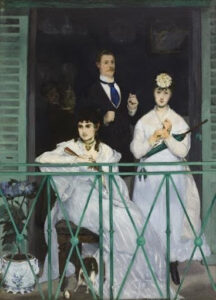
We cannot ignore the pivotal role in the development of modern art played by the French Realist Édouard Manet (pictured) and how he helped a group of young painters to overturn centuries of artistic tradition. Manet challenged accepted conventions through his bold technique, contemporary subjects and uncompromising vision. Although he never exhibited with the Impressionists, his work inspired Monet, Renoir, Degas, Morisot, Pissarro and others. We’ll explore the first decade of Impressionism, including the landmark exhibition of 1874, and discover how Manet helped shape one of the most revolutionary movements in European art.
Support notes are included
After each lecture Nick will send you a copy of his comprehensive, illustrated notes via email.
Not able to make the lecture but still want the notes? For a fee of £5 we can email you a copy of the notes.
We look forward to seeing you at this series of art history lectures by Nick Pearson.